
Why the Real Challenges Begin On-Site
No matter how detailed the design or how well-planned a project appears on paper, reality always changes once construction begins.
Unexpected soil conditions, misaligned installations, missing details in drawings, coordination gaps between trades, and evolving site constraints can quickly disrupt even the most carefully engineered projects. At this stage, delays are costly, decisions are urgent, and mistakes can impact both safety and long-term performance.
This is where Field Engineering becomes essential.
Field engineering bridges the gap between design and execution. It ensures that engineering intent is correctly implemented on site while adapting to real-world conditions that cannot always be predicted during planning.
In Canada’s mining, infrastructure, and energy sectors, field engineering plays a critical role in improving project certainty, protecting schedules, and reducing costly rework.
What Is Field Engineering?
Field Engineering refers to the on-site application of engineering knowledge during the construction phase of a project. It ensures that designs are properly interpreted, implemented, and adjusted when necessary.
Field engineers work directly with construction teams, contractors, and project managers to resolve issues as they arise and maintain alignment with engineering standards and project objectives.
This includes reviewing drawings, responding to RFIs, conducting site inspections, validating installations, and providing real-time technical solutions.
Unlike design-phase engineering, field engineering operates in a dynamic environment where decisions must be both technically sound and immediately practical.
Why Field Engineering Is Critical for Project Certainty
Project certainty depends on how well a project performs during execution, not just how well it is designed.
Even the best engineering plans cannot account for every site condition or construction variable. Without proper field support, small issues can escalate into major delays, cost overruns, and safety concerns.
Field Engineering improves project certainty by ensuring that:
- Construction aligns with design intent
- Issues are resolved quickly before escalating
- Communication between teams remains clear
- Technical decisions are made with full project context
- Quality and compliance are maintained throughout execution
When engineering remains involved on-site, projects become more predictable and controlled.

Typical Field Engineering Scenarios in Mining, Infrastructure, and Energy
Mining Example
A mining project in Northern Canada encounters unexpected ground conditions during foundation work. Without field engineering support, construction would pause while waiting for revised designs.
With field engineering in place, on-site analysis allows for immediate design adjustments, keeping the project on schedule.
Infrastructure Example
A municipal infrastructure project in Ontario faces utility conflicts during excavation. Field engineers coordinate between civil and utility teams to modify routing without compromising system performance.
This prevents delays and avoids costly redesign.
Energy Example
An energy facility in Alberta requires adjustments to structural installations due to equipment alignment issues. Field engineers validate modifications on-site, ensuring safety and structural integrity while maintaining progress.
These situations highlight how field engineering directly protects timelines and budgets.
The Connection Between Field Engineering and Construction Support
Field Engineering is a key component of Construction Support Engineering.
While design teams develop plans, field engineers ensure those plans are correctly implemented and adapted when necessary. They act as the technical link between engineering offices and construction teams.
This includes:
- Reviewing shop drawings
- Responding to RFIs
- Conducting site inspections
- Verifying material and installation compliance
- Supporting commissioning readiness
Projects with strong construction support benefit from faster decision-making and fewer disruptions.
Field Engineering in the Project Lifecycle
Field engineering is most effective when integrated early and maintained throughout the construction phase.
During Feasibility and Design
Although field engineering is primarily active during construction, early planning can anticipate potential site challenges. This improves constructability and reduces future conflicts.
During Construction
This is where field engineering delivers the most value. Real-time problem solving, coordination, and validation ensure that construction progresses efficiently.
During Commissioning
Field engineers support final inspections, system validation, and readiness for operation, ensuring that the project performs as intended.
Continuous involvement creates consistency from design to delivery.
How Field Engineering Reduces Cost and Schedule Risk
One of the most significant benefits of Field Engineering is its ability to reduce financial and timeline risks.
When issues are resolved immediately on-site, projects avoid:
- Construction delays
- Expensive rework
- Material waste
- Miscommunication between teams
- Incorrect installations
Field engineers help maintain workflow continuity, which is essential for large-scale projects where delays can affect multiple trades and project phases.
By addressing problems early, costs remain controlled and schedules stay on track.
Multidisciplinary Coordination in Field Engineering
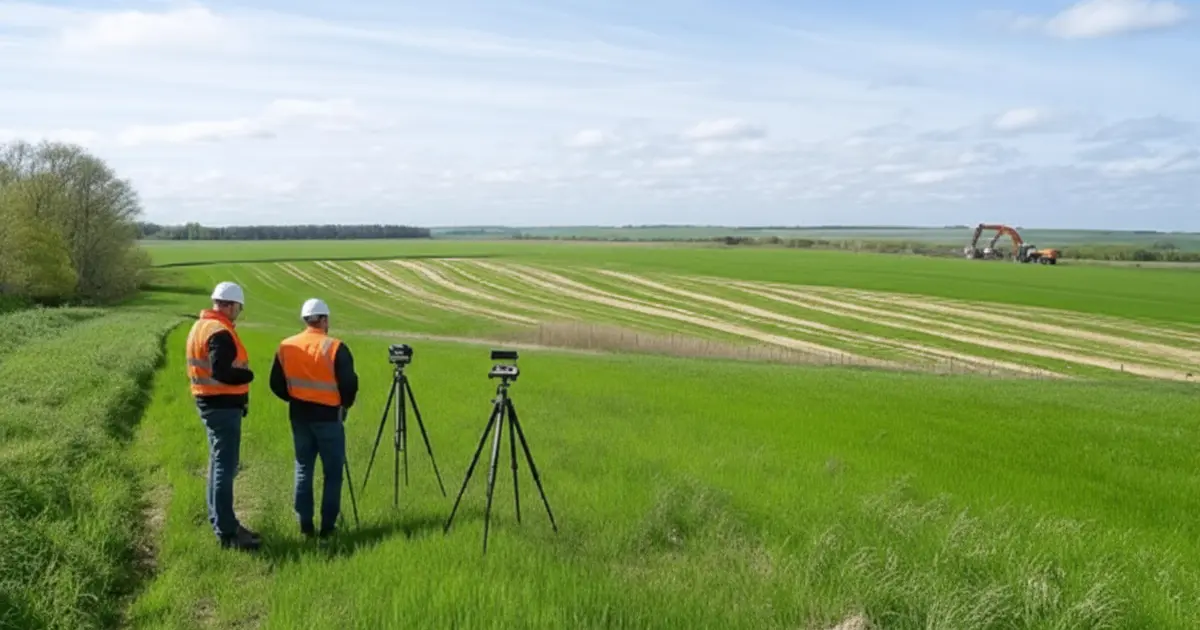
Field engineering often requires coordination between civil, structural, process, mechanical, and electrical disciplines. Site decisions can affect drainage, foundations, equipment alignment, utilities, access, and construction sequencing.
For example, a drainage adjustment may impact structural foundations. Equipment installation may require both structural validation and civil coordination. Utility routing changes may affect multiple systems.
Field engineers must understand how these disciplines interact and ensure that decisions support the overall project.
This multidisciplinary awareness is critical for maintaining both technical accuracy and practical execution.
Why Field Engineering Matters More in Canada
Projects in Canada often face additional challenges that increase the importance of field engineering.
These include:
- Harsh weather conditions and seasonal limitations
- Remote site access in mining and energy projects
- Strict safety and regulatory requirements
- Complex coordination in urban infrastructure projects
- Environmental compliance and monitoring
In Canada, field engineering is especially important on remote mining sites, brownfield energy facilities, and urban infrastructure projects where weather, access, utilities, safety requirements, and construction sequencing can affect delivery.
Real-world conditions require real-time engineering solutions.
Why Experience Matters in Field Engineering
Field engineering requires more than technical knowledge, it requires judgment under pressure.
Engineers must make decisions quickly, often with incomplete information, while balancing safety, cost, and schedule considerations.
Experienced field engineers understand construction realities, anticipate risks, and communicate effectively with both technical and non-technical teams.
They know how to turn problems into solutions without compromising project integrity.
This experience is what transforms field engineering from reactive support into proactive project control.
How Axispoint Supports Field Engineering Decisions
Field engineering is closely connected to construction support. Axispoint’s integrated engineering approach helps project teams maintain design intent, respond to site conditions, and coordinate technical decisions during construction.
Services include:
- Feasibility Studies
- Front-End Engineering Design (FEED)
- Detailed Design
- Construction Support
- Project Management
By maintaining engineering involvement from planning through execution, Axispoint helps clients reduce risk, improve coordination, and achieve stronger project outcomes.
Field engineering is not treated as an afterthought, it is part of a complete project delivery strategy.
Conclusion: Certainty Is Built On-Site
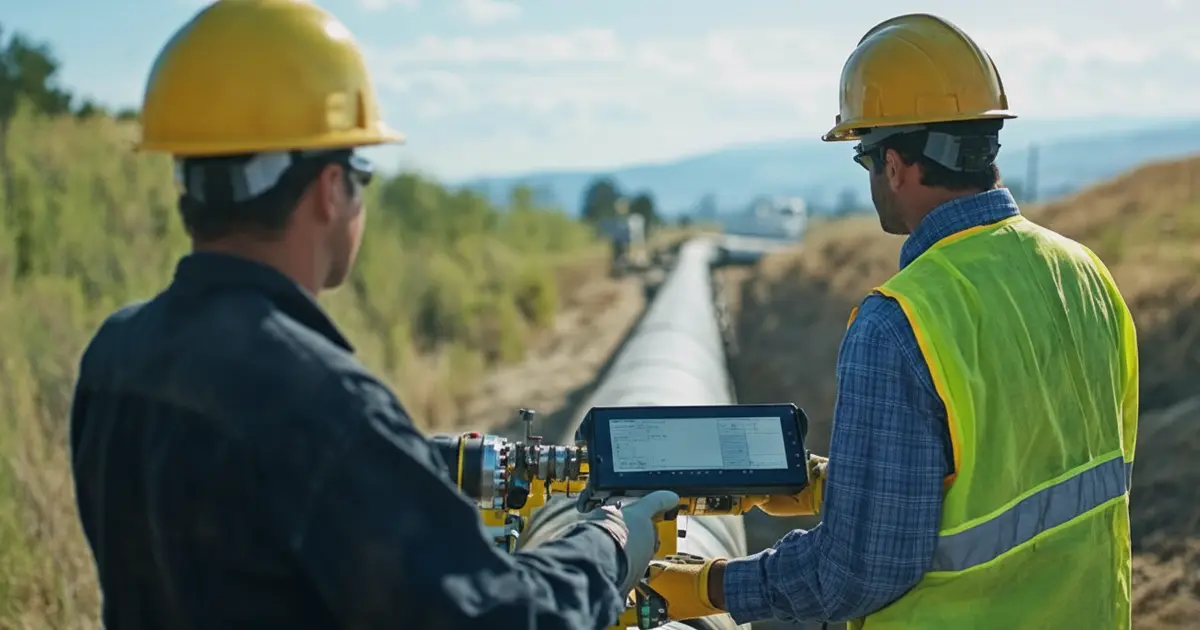
Project certainty is not achieved through design alone, it is achieved through execution.
Field Engineering ensures that engineering intent becomes reality, even when conditions change and challenges arise. It protects schedules, controls costs, and maintains quality throughout the construction process.
In Canada’s mining, infrastructure, and energy sectors, projects succeed when engineering stays connected to the field.
Before your next project begins, consider this:
Are you relying only on design or do you have the on-site engineering support needed to deliver with confidence?
Axispoint provides Field Engineering expertise that helps turn plans into successful, reliable outcomes.
FAQ
What is Field Engineering?
Field Engineering involves on-site engineering support during construction. It ensures that designs are properly implemented and adjusted based on real-world conditions.
Why is Field Engineering important?
Field Engineering helps prevent delays, reduce rework, improve coordination, and ensure construction aligns with design intent. It plays a key role in maintaining project quality and efficiency.
What does a Field Engineer do on-site?
Field engineers review drawings, respond to RFIs, inspect installations, coordinate between teams, and provide technical solutions to construction challenges.
How does Field Engineering reduce project risk?
By identifying and resolving issues early, field engineering prevents costly delays, incorrect installations, and design conflicts during construction.
Is Field Engineering necessary for all projects?
It is especially important for complex, large-scale projects in sectors such as mining, infrastructure, and energy, where conditions can change quickly and coordination is critical.
Why choose Axispoint for Engineering services in Canada?
Axispoint provides integrated engineering, construction support, and project management across Canada. This ensures better coordination, reduced risk, and more predictable project delivery.