
Infrastructure Is No Longer Just Physical
Infrastructure used to be defined by concrete, steel, roads, bridges, utilities, and physical assets. Today, that definition has changed.
Modern infrastructure must do more than function, it must communicate, adapt, predict, and perform over time. Cities are growing faster, public expectations are higher, and operational costs continue to rise. Project owners are no longer asking only how to build infrastructure, but how to make it smarter, more efficient, and more resilient for the future.
This is where Smart Infrastructure Development becomes essential.
By integrating IoT systems, digital monitoring tools, real-time data collection, and multidisciplinary engineering, infrastructure projects can move beyond traditional construction and toward long-term operational intelligence.
In Canada’s infrastructure, mining, and energy sectors, smart infrastructure improves decision-making, reduces maintenance risk, strengthens public safety, and supports better lifecycle performance.
The question is no longer whether digital infrastructure matters, it is how early it should be integrated into project planning.
What Is Smart Infrastructure Development?
Smart Infrastructure Development refers to the planning, design, and execution of infrastructure systems that combine physical assets with digital technologies to improve performance, monitoring, and long-term operational efficiency.
This includes integrating:
- IoT sensors
- Real-time monitoring systems
- Remote asset management tools
- Predictive maintenance platforms
- Data-driven operational controls
- Smart utility systems
- Digital construction coordination tools
Rather than waiting for failures to happen, smart infrastructure allows owners to detect issues early, optimize operations continuously, and make informed decisions based on live performance data.
For example, a drainage system with flow monitoring sensors can identify capacity issues before flooding occurs. A structural monitoring system can detect movement or stress before visible damage appears.
Infrastructure becomes proactive instead of reactive.
Why Smart Infrastructure Matters More in Canada
Canadian projects face long lifecycles, public accountability, environmental pressure, and extreme operating conditions. These realities make traditional infrastructure management increasingly inefficient.
Projects must often operate through:
- Harsh winters and freeze-thaw cycles
- Remote site conditions in mining and energy projects
- Aging municipal systems
- High maintenance costs
- Strict environmental compliance
- Public safety expectations
- Provincial and municipal reporting requirements
In cities like Toronto, Calgary, Vancouver, and Edmonton, infrastructure must perform reliably for decades while supporting growing populations and rising service demands.
Smart Infrastructure Development helps project owners manage these challenges by improving visibility, maintenance planning, and long-term operational control.
The cost of not knowing asset performance is often much higher than the cost of monitoring it.

How IoT Improves Infrastructure Performance
The Internet of Things (IoT) allows physical infrastructure to generate real-time operational data.
Sensors placed within roads, pipelines, bridges, pumping systems, drainage networks, and industrial facilities provide continuous insight into asset conditions.
This supports:
- Leak detection
- Structural movement monitoring
- Equipment performance tracking
- Water system efficiency
- Energy consumption optimization
- Remote maintenance planning
- Failure prevention
For example, in municipal stormwater systems, IoT sensors can monitor flow levels during heavy rainfall and alert operators before overflow conditions become critical.
In mining operations, remote monitoring of water systems and haul road conditions improves both safety and operational continuity.
IoT turns infrastructure from a fixed asset into an intelligent system.
Real-World Examples Across Infrastructure, Mining, and Energy
Infrastructure Example
A municipal infrastructure project in Ontario uses sensor-based drainage monitoring to improve stormwater management. Instead of relying only on scheduled inspections, the city receives real-time data during heavy rainfall events.
This reduces flood risk, improves maintenance planning, and supports regulatory compliance.
Mining Example
A remote mining operation in Northern Canada integrates monitoring systems into water management and access road performance. Seasonal conditions are tracked continuously, helping operators prevent erosion, flooding, and costly downtime.
This improves both safety and operational reliability.
Energy Example
An energy facility in Alberta uses smart monitoring for equipment foundations and utility performance. Structural movement, vibration, and system loads are monitored to prevent operational disruption and improve lifecycle planning.
These examples show that digital infrastructure creates measurable value long after construction ends.
Smart Infrastructure Begins During Feasibility Studies
Digital systems should not be added as an afterthought.
The strongest smart infrastructure projects begin during feasibility studies, where engineers evaluate not only physical design requirements but also long-term operational strategy.
Questions asked early include:
- Which assets require long-term monitoring?
- What operational risks justify digital oversight?
- How should IoT systems integrate with civil and structural design?
- What lifecycle cost savings justify implementation?
When digital planning starts during feasibility, projects avoid expensive retrofits later.
This creates stronger investment decisions and better long-term value.
FEED and Detailed Design for Digital Infrastructure
Front-End Engineering Design (FEED) and Detailed Design are where smart infrastructure becomes practical.
During FEED, monitoring systems, data architecture, utility coordination, and technology integration must align with cost models and execution planning.
Detailed Design ensures that sensors, controls, communication systems, and monitoring platforms are physically coordinated with structural, civil, and mechanical systems.
For example, drainage monitoring requires civil design coordination. Structural health monitoring requires integration with structural engineering. Remote access systems require both operational and construction planning.
Without multidisciplinary coordination, smart infrastructure becomes fragmented and inefficient.
Multidisciplinary Design Makes Smart Infrastructure Work
Smart Infrastructure Development depends on more than technology, it depends on engineering coordination.
Civil, structural, mechanical, environmental, and project management teams must work together to ensure digital systems support real operational needs.
This is where multidisciplinary design becomes critical.
If IoT planning is separated from engineering design, systems may be difficult to install, expensive to maintain, or operationally ineffective.
Integrated engineering ensures that digital tools are practical, constructable, and valuable throughout the asset lifecycle.
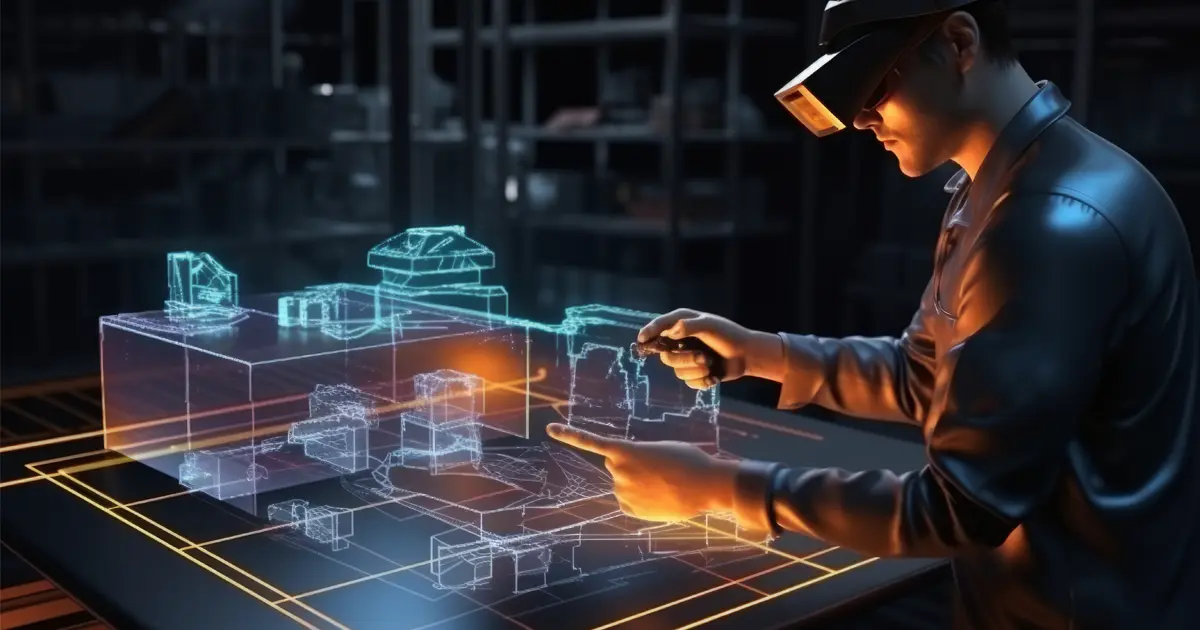
Technology alone does not create smart infrastructure, engineering does.
Construction Support Is Critical for Smart Infrastructure Delivery
Construction support becomes even more important when infrastructure includes advanced monitoring systems and digital integration.
Engineers must ensure:
- Sensor installation matches design intent
- Communication systems are properly coordinated
- Utility integration is accurate
- Field conditions do not compromise monitoring performance
- Documentation supports long-term operations
Construction Support Engineering protects both physical execution and digital functionality.
Without proper field coordination, even well-designed smart systems can fail during implementation.
Why Axispoint Supports Smart Infrastructure Through Integrated Engineering
Axispoint approaches Smart Infrastructure Development through full lifecycle engineering support across mining, infrastructure, and energy sectors.
Services include:
- Feasibility Studies
- Front-End Engineering Design (FEED)
- Detailed Design
- Construction Support
- Project Management
By combining multidisciplinary engineering with practical field execution, Axispoint helps clients build infrastructure that performs not only during construction, but for decades after completion.
The goal is not simply smarter projects, it is stronger long-term outcomes.
Conclusion: The Future of Infrastructure Is Designed Early
Infrastructure is no longer judged only by how it is built, but by how it performs over time.
Smart Infrastructure Development improves efficiency, reduces operational risk, strengthens public safety, and supports better long-term investment decisions.
In Canada’s infrastructure, mining, and energy sectors, digital tools and IoT systems are no longer optional upgrades, they are becoming a fundamental part of responsible project delivery.
The smartest infrastructure decisions are made before construction begins.
Before your next project moves forward, ask:
Are you building infrastructure for today, or designing systems that will still perform tomorrow?
For expert Smart Infrastructure Development across Canadian cities, Axispoint provides integrated engineering solutions that connect design, execution, and long-term operational success.

FAQ
What is Smart Infrastructure Development?
Smart Infrastructure Development is the integration of physical infrastructure with digital technologies such as IoT sensors, monitoring systems, and real-time data platforms to improve efficiency, safety, maintenance, and long-term asset performance.
How does IoT improve infrastructure projects?
IoT improves infrastructure by providing real-time monitoring of systems such as drainage, roads, bridges, utilities, and industrial facilities. This helps detect issues early, reduce downtime, improve maintenance planning, and prevent costly failures.
Why is Smart Infrastructure important in Canada?
Canadian projects face harsh weather, aging public assets, strict environmental regulations, and high operational costs. Smart infrastructure improves visibility and long-term management, helping projects perform better across long lifecycles.
When should digital tools be included in infrastructure projects?
Digital tools should be considered during feasibility studies and FEED, not added later. Early planning improves system integration, reduces retrofit costs, and creates stronger lifecycle value.
How does multidisciplinary design support Smart Infrastructure Development?
Civil, structural, mechanical, and project management teams must coordinate digital systems with physical infrastructure. Multidisciplinary design ensures monitoring systems are practical, constructable, and operationally effective.
Why choose Axispoint for Smart Infrastructure Development?
Axispoint combines engineering design, construction support, and project management across mining, infrastructure, and energy sectors in Canada. This integrated approach helps clients deliver infrastructure that is efficient, resilient, and built for long-term performance.