
Building Energy Systems That Must Perform for Decades
The shift toward renewable energy is no longer a future goal, it is a present-day requirement.
Across Canada, governments, utilities, and private developers are investing heavily in solar, wind, and hydro projects to meet growing energy demand while reducing environmental impact. However, building renewable energy infrastructure is not simply about installing turbines or panels. These projects must perform reliably for decades, often in challenging environments and under strict regulatory frameworks.
This creates a critical question:
How can renewable energy projects be designed and delivered with confidence, efficiency, and long-term reliability?
The answer lies in Renewable Energy Engineering.
By combining feasibility studies, multidisciplinary design, and construction support, renewable energy engineering ensures that projects are not only technically viable, but also practical to build, operate, and maintain.
What Is Renewable Energy Engineering?
Renewable Energy Engineering involves the planning, design, analysis, and execution support of energy systems that generate power from renewable sources such as solar, wind, and hydro.
It focuses on integrating multiple engineering disciplines to create systems that are efficient, reliable, and aligned with environmental and regulatory requirements.
This includes evaluating site conditions, designing infrastructure, optimizing energy systems, coordinating utilities, and supporting construction and commissioning.
Renewable energy projects are complex systems where civil, structural, mechanical, and electrical components must work together seamlessly. Strong engineering ensures these systems function efficiently from day one and continue to perform over time.

Why Renewable Energy Engineering Is Critical in Canada
Canada presents both opportunities and challenges for renewable energy development.
The country offers abundant natural resources for solar, wind, and hydro generation. At the same time, projects must navigate extreme weather conditions, remote locations, environmental regulations, and complex approval processes.
In provinces like Alberta, British Columbia, and Ontario, renewable energy projects must also align with grid infrastructure, permitting requirements, and long-term operational expectations.
Cold climates, seasonal variations, and geographic diversity require engineering solutions that go beyond standard design assumptions.
Without strong engineering, renewable projects risk underperformance, delays, and increased maintenance costs.
Solar Energy Engineering: Designing for Efficiency and Durability
Solar energy projects may appear simple, but their performance depends heavily on engineering decisions.
Site grading, panel orientation, structural support systems, and electrical integration all influence energy output and long-term reliability.
In Canada, solar engineering must also consider snow loads, seasonal sunlight variation, and temperature effects on system performance.
For example, a solar project in Ontario may require specific panel angles to maximize winter efficiency while ensuring structural stability under snow accumulation.
Proper design improves energy generation while reducing maintenance and operational risk.
Wind Energy Engineering: Managing Load, Location, and Performance
Wind energy projects involve complex structural and environmental considerations.
Turbine placement, foundation design, wind load analysis, and access infrastructure all play a critical role in project success.
Engineering must account for site-specific wind patterns, soil conditions, and environmental impact.
In regions such as Alberta and coastal areas of British Columbia, wind energy projects must also address extreme weather conditions and long-term durability requirements.
A well-engineered wind project maximizes energy output while ensuring structural safety and operational continuity.
Hydro Engineering: Balancing Power Generation and Environmental Responsibility
Hydro projects require careful coordination between engineering performance and environmental impact.
Water flow management, structural design, and long-term system reliability must be balanced with ecological considerations and regulatory requirements.
In Canada, hydro projects often involve strict environmental assessments and long approval timelines.
Engineering plays a key role in optimizing energy generation while ensuring compliance and minimizing environmental disruption.
Effective hydro engineering creates systems that are both powerful and sustainable.
Real-World Examples Across Renewable Projects
Solar Project Example
A solar installation in Ontario requires site grading adjustments and structural optimization to improve panel efficiency. Early engineering coordination increases energy output while reducing long-term maintenance needs.
Wind Project Example
A wind farm in Alberta faces foundation challenges due to soil conditions. Engineering adjustments during feasibility and design prevent structural issues during construction.
Hydro Project Example
A hydro development project integrates water flow analysis with structural design to improve efficiency while meeting environmental regulations.
These examples show how engineering decisions directly influence long-term project success.
Renewable Energy Engineering Starts with Feasibility
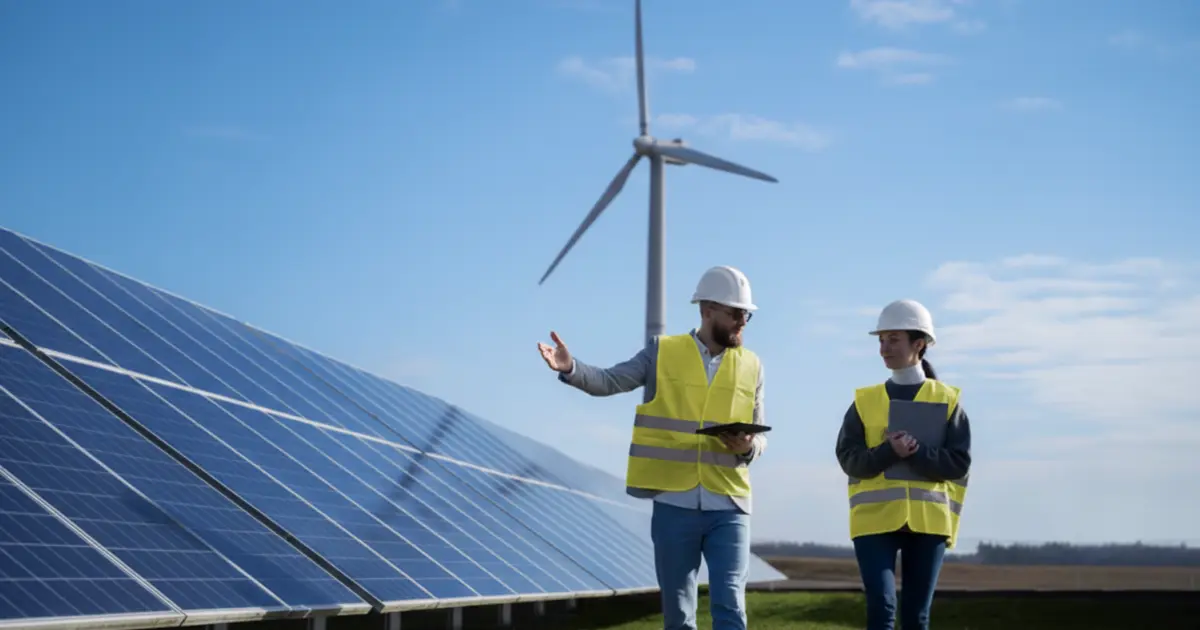
Feasibility studies are the foundation of successful renewable energy projects.
At this stage, engineers evaluate site conditions, resource availability, infrastructure requirements, and regulatory constraints.
This helps determine whether a project is viable and identifies potential risks before major investment.
Early feasibility analysis improves cost forecasting, reduces uncertainty, and creates stronger project planning.
Projects that skip this stage often face expensive challenges later.
From FEED to Construction: Turning Design into Reality
Front-End Engineering Design (FEED) and Detailed Design transform feasibility insights into actionable plans.
During FEED, system layouts, cost models, and execution strategies are developed. Detailed Design ensures that all components are coordinated and ready for construction.
Construction Support ensures that designs are implemented correctly and adapted when real-world conditions require changes.
This full lifecycle approach improves project efficiency and reduces risk.
Multidisciplinary Engineering in Renewable Projects
Renewable energy systems require close coordination between multiple engineering disciplines.
Civil engineering supports site development and infrastructure. Structural engineering ensures system stability. Mechanical and electrical systems drive energy generation. Environmental engineering ensures compliance.
Multidisciplinary coordination ensures that all systems work together efficiently.
Without this integration, projects face delays, inefficiencies, and increased costs.
How Renewable Energy Engineering Improves Project Outcomes
Strong engineering improves renewable energy projects by:
- Increasing energy efficiency
- Reducing construction delays
- Improving cost predictability
- Ensuring regulatory compliance
- Supporting long-term performance
- Reducing operational risks
Projects that invest in proper engineering from the beginning achieve better financial and operational results.
Why Experience Matters in Renewable Energy Engineering
Renewable energy projects require both technical expertise and practical understanding.
Experienced engineers know how to design systems that perform under real-world conditions, not just theoretical models.
They understand regulatory requirements, construction challenges, and long-term operational needs.
This experience helps prevent costly mistakes and ensures that projects deliver expected performance.
Why Axispoint for Renewable Energy Engineering in Canada
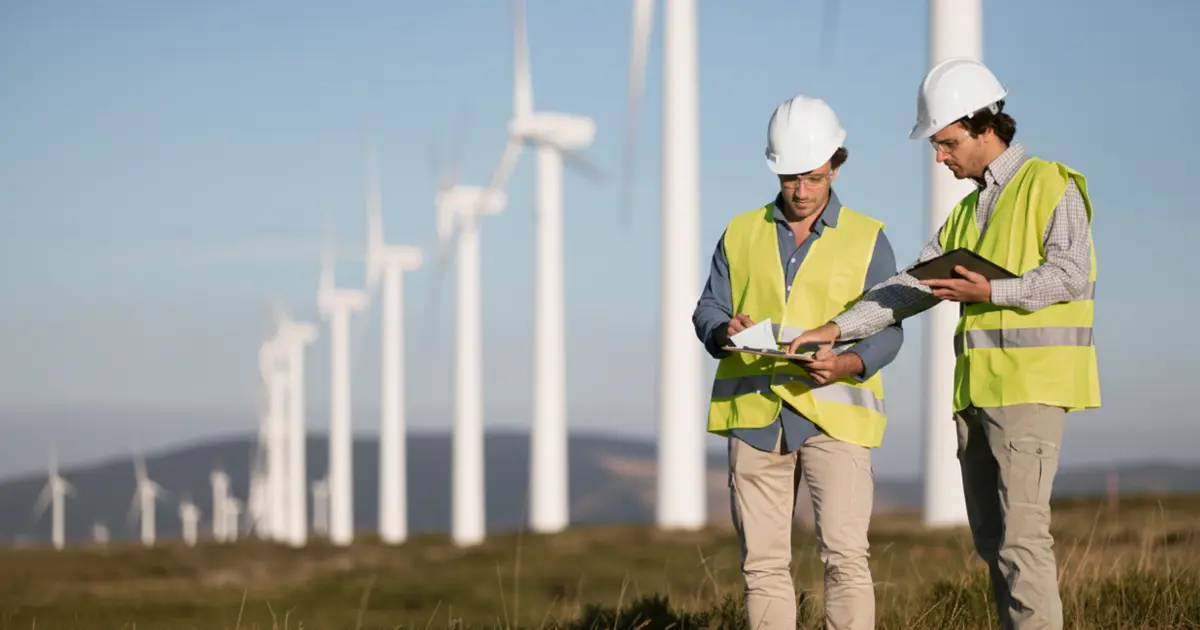
Axispoint provides integrated Renewable Energy Engineering services across Canada’s energy, infrastructure, and industrial sectors.
Services include:
- Feasibility Studies
- Front-End Engineering Design (FEED)
- Detailed Design
- Construction Support
- Project Management
By combining multidisciplinary engineering with real-world execution experience, Axispoint helps clients deliver renewable energy projects that are efficient, reliable, and built for long-term success.
Conclusion: Renewable Energy Projects Require Smarter Engineering
Renewable energy is not just about generating power, it is about delivering systems that perform reliably for decades.
Renewable Energy Engineering ensures that projects are properly planned, designed, and executed to meet both technical and operational demands.
In Canada’s evolving energy landscape, strong engineering is the foundation of sustainable success.
Before starting your next renewable project, consider this:
Are you designing for installation or for long-term performance?
Axispoint provides the engineering expertise needed to turn renewable energy concepts into reliable, high-performing systems.
FAQ
What is Renewable Energy Engineering?
Renewable Energy Engineering involves designing and supporting energy systems that generate power from renewable sources such as solar, wind, and hydro.
Why is Renewable Energy Engineering important?
It ensures that renewable projects are efficient, reliable, compliant, and capable of long-term performance under real-world conditions.
What types of projects use Renewable Energy Engineering?
Projects include solar farms, wind energy developments, hydroelectric systems, and hybrid energy solutions.
How does engineering improve renewable energy efficiency?
Proper design optimizes system performance, reduces losses, improves durability, and ensures better integration with infrastructure.
What challenges do renewable energy projects face in Canada?
Challenges include harsh weather, remote locations, regulatory requirements, environmental considerations, and infrastructure limitations.
Why choose Axispoint for Renewable Energy Engineering?
Axispoint provides integrated engineering, construction support, and project management across Canada, helping deliver renewable energy projects with greater efficiency and reliability.