
Turning Ambitious Ideas into Enduring Structures
Every successful building project begins with a vision, a commercial tower rising in downtown Toronto, a multi-residential development in Calgary, or an industrial facility in Vancouver. Yet between architectural ambition and a safe, durable structure lies one critical discipline: Structural Engineering.
In Canada, structural design is not just about making buildings stand. It’s about ensuring they withstand heavy snow loads, seismic forces, high winds, freeze-thaw cycles, and strict national and provincial building codes. Whether the project is a commercial complex, residential development, institutional facility, or industrial structure, expert structural engineering determines performance, longevity, and cost efficiency.
At Axispoint, structural engineering is approached not as a standalone service, but as an integrated solution, aligning design, performance, safety, and constructability from concept to completion. In this article, we explore how expert structural engineering transforms ideas into resilient structures across Canadian cities.
What Is Structural Engineering, and Why It Matters in Canada
Structural Engineering is the branch of engineering responsible for designing and analyzing load-bearing systems within buildings and infrastructure. These systems include:
- Foundations
- Structural steel frames
- Reinforced concrete systems
- Wood and hybrid structures
- Lateral load systems (shear walls, braced frames, moment frames)
The primary objective is simple but critical: ensure the structure safely supports all expected loads throughout its lifespan.
In Canada, this responsibility carries unique challenges.
Snow Loads and Climate Demands
Cities such as Toronto, Ottawa, and Montreal experience significant snow accumulation. Structural roof systems must be designed to support heavy snow loads without excessive deflection or failure.
Seismic Considerations in Western Canada
In Vancouver and parts of British Columbia, seismic activity influences nearly every structural decision. Engineers must incorporate lateral systems that absorb and dissipate earthquake forces while maintaining building integrity.
Freeze-Thaw Cycles and Foundations
Across much of Canada, freeze-thaw cycles impact foundation performance. Proper frost protection, insulation, and soil analysis are essential to prevent structural movement and long-term damage.
Wind and Urban Density
High-rise buildings in dense urban cores face substantial wind forces. Structural systems must resist lateral sway while ensuring occupant comfort.
These environmental factors make experienced Structural Engineering essential, not optional.

From Concept to Completion: The Structural Engineering Process
A strong structure begins long before construction. The engineering process evolves through multiple critical phases.
1. Conceptual Design and Feasibility
During early planning, structural engineers collaborate with architects and developers to determine the most efficient structural system. For example, a mid-rise commercial project in Calgary may initially consider steel framing but transition to a composite steel-concrete system to improve cost efficiency and speed of construction.
At this stage, engineers evaluate:
- Preliminary load calculations
- Structural system options
- Material efficiency
- Budget alignment
- Code compliance feasibility
Early involvement significantly reduces redesign risk later.
2. Detailed Structural Analysis and Design
Using advanced modeling tools, engineers analyze loads including:
- Dead loads (structure weight)
- Live loads (occupancy)
- Snow loads
- Wind forces
- Seismic forces
Detailed structural drawings and specifications are developed in accordance with Canadian building codes and local municipal requirements.
Accuracy here prevents costly site revisions.
3. Construction Support and Coordination
Structural engineering does not stop when drawings are issued. During construction, engineers:
- Review shop drawings
- Respond to contractor inquiries
- Conduct site inspections
- Address unforeseen site conditions
This ongoing involvement ensures the final structure reflects the original design intent.
Real Structural Engineering Challenges Across Canadian Cities
Structural design in Canada is rarely “standard.” Each city presents unique conditions requiring experience and adaptability.
Urban Infill Projects in Toronto
In downtown Toronto, projects often involve tight lot lines and adjacent buildings. Designing underground parking structures or deep foundations requires careful coordination with soil conditions and neighboring properties.
Engineers must mitigate settlement risk while maximizing usable space.
Seismic Design in Vancouver
In Vancouver, lateral systems are critical. Engineers must design shear walls, braced frames, or moment frames capable of resisting seismic forces while preserving architectural flexibility.
Balancing safety, cost, and aesthetic freedom requires technical precision and collaboration.
Industrial Structures in Alberta
In Alberta cities such as Calgary and Edmonton, industrial facilities often demand large clear spans for equipment and operations. Structural steel framing must support heavy mechanical loads while maintaining operational efficiency.
Each example reinforces why localized expertise in Structural Engineering across Canada is vital.
Risk Mitigation Through Integrated Engineering
Structural issues are among the most expensive problems in construction. Design errors, coordination conflicts, or load miscalculations can cause delays, redesigns, and significant financial loss.
Experienced structural engineers reduce risk by:
- Identifying load conflicts early
- Coordinating structural elements with mechanical and architectural systems
- Optimizing material quantities
- Ensuring strict code compliance
- Anticipating constructability challenges
An integrated approach, like the one offered at Axispoint , aligns structural engineering with broader civil and project coordination services. This integration improves communication and minimizes rework.
In high-value developments, early risk reduction directly translates to cost savings.
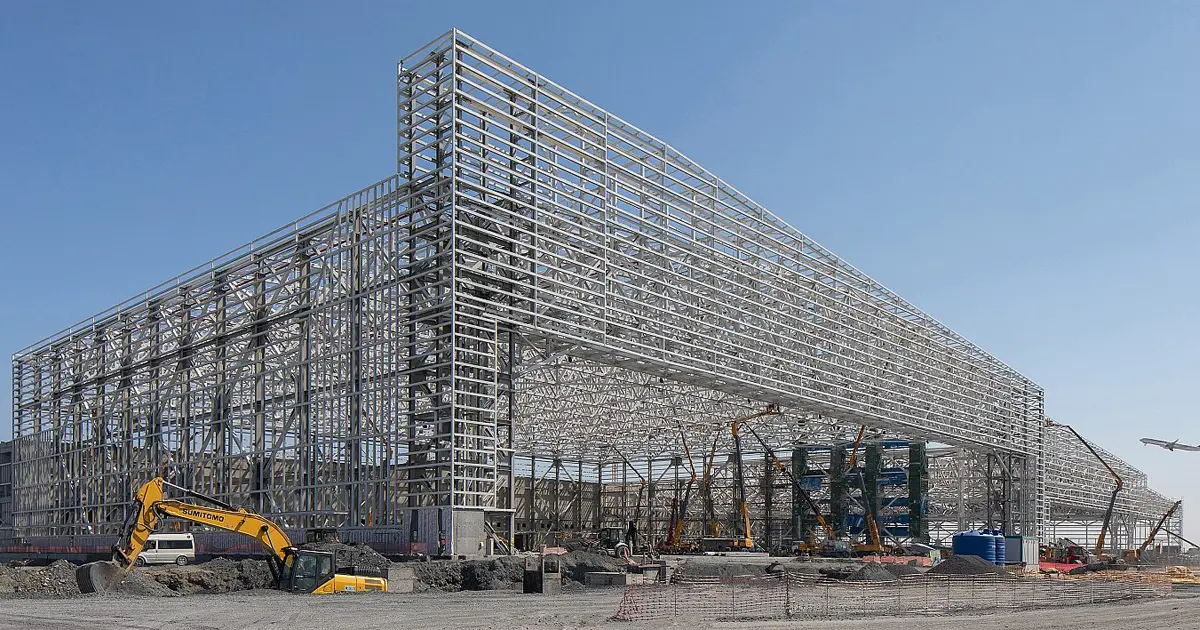
Sustainable and Cost-Efficient Structural Design
Modern Structural Engineering increasingly prioritizes sustainability and lifecycle performance.
Material optimization is one of the most impactful strategies. Through efficient load path design and structural modeling, engineers can reduce unnecessary steel and concrete usage, lowering embodied carbon while cutting costs.
For example:
- Optimizing beam spacing can reduce steel tonnage.
- Designing efficient foundation systems can minimize excavation and material waste.
- Integrating structural systems with energy-efficient building envelopes improves overall building performance.
Sustainable structural engineering is not just environmentally responsible, it is financially strategic.
The Importance of Experience in Structural Engineering
While software and modeling tools are powerful, they do not replace experience.
Engineering judgment is developed through years of real-world projects. Experienced structural engineers can:
- Identify potential design conflicts before they occur
- Propose cost-effective alternatives
- Provide practical solutions during construction
- Communicate clearly with contractors and project stakeholders
In complex projects, experience often determines whether challenges become manageable adjustments or costly disruptions.
Structural Engineering is both analytical and practical, and successful outcomes require both.
Structural Engineering Services Across Canadian Cities
Canada’s diverse geographic and regulatory landscape demands adaptable engineering solutions.
Professional Structural Engineering services support projects in:
- Toronto
- Vancouver
- Calgary
- Edmonton
- Ottawa
- Montreal
- Other growing urban and industrial regions
Whether the project is commercial, residential, institutional, or industrial, structural solutions must align with local codes, environmental conditions, and market demands.
By combining technical expertise with regional understanding, structural engineers provide confidence to developers, architects, and contractors alike.

Why Structural Engineering Is the Backbone of Every Successful Project
Without sound structural design, architectural vision cannot be realized safely or efficiently.
Structural Engineering provides:
- Safety and public protection
- Code compliance
- Long-term durability
- Material efficiency
- Construction clarity
- Risk mitigation
From high-rise developments to industrial facilities, structural engineering forms the backbone of every built environment.
When integrated early and executed with expertise, it transforms uncertainty into structural confidence.
From Vision to Structural Confidence
Every structure tells a story of design, collaboration, and technical precision. But beneath every finished façade lies the discipline that makes it possible: Structural Engineering.
In Canada’s demanding climate and regulatory environment, expert structural design is essential for safe, resilient, and cost-effective buildings.
If you are planning a new development or evaluating an upcoming project, ask yourself:
Is your structural system designed not just to stand, but to perform for decades?
To learn more about expert Structural Engineering solutions across Canadian cities, visit our website and discover how integrated engineering support can strengthen your next project from concept to completion.
FAQ
What does a structural engineer do?
A structural engineer designs and analyzes load-bearing systems within buildings and infrastructure to ensure safety, stability, and code compliance.
Why is structural engineering important in Canada?
Canada’s climate conditions, including heavy snow, seismic activity in certain regions, and freeze-thaw cycles, require specialized structural design to ensure long-term performance and safety.
When should a structural engineer be involved in a project?
Ideally, a structural engineer should be involved during the conceptual design phase to optimize structural systems, reduce risk, and prevent costly redesign later.
How does structural engineering reduce construction costs?
Through material optimization, early coordination, and accurate load analysis, structural engineers minimize waste, avoid redesign, and improve construction efficiency.
Do structural engineering requirements differ between Canadian cities?
Yes. Local building codes, soil conditions, climate, and seismic zones influence structural design decisions in each city.