
Mining projects in Canada operate in some of the most demanding environments in the world. From remote northern locations and extreme climate conditions to strict environmental regulations and high capital exposure, every engineering decision carries long-term consequences.
In this context, Mining Civil Engineering is not just about earthworks and site grading. It is the structural foundation of the entire operation. Poor early civil planning can lead to cost overruns, construction delays, drainage failures, regulatory complications, and long-term operational inefficiencies.
This article explores how professional mining civil engineering services reduce risk, improve constructability, and support mining projects in Canada from feasibility through construction and beyond.
What Is Mining Civil Engineering?
Mining Civil Engineering involves the planning, design, and execution support of site infrastructure required for mining operations. This includes:
- Site grading and earthworks
- Haul roads and access roads
- Drainage and stormwater management
- Water management systems
- Foundations and structural bases
- Tailings storage facilities
- Site development infrastructure
Unlike traditional civil engineering projects, mining civil engineering must account for heavy industrial loads, evolving geotechnical conditions, environmental stewardship, and long operational lifecycles.
In Canada, additional complexity arises from regulatory approvals, climate challenges, and the need to design infrastructure that performs reliably across decades of operation.
Why Mining Civil Engineering Is Critical in Canadian Projects
Mining developments involve significant capital investment. Civil infrastructure often represents one of the earliest and most impactful cost components. Decisions made during feasibility and early design stages directly influence:
- Construction sequencing
- Material volumes and cost
- Environmental compliance
- Operational efficiency
- Long-term maintenance requirements
For example, insufficient early drainage planning can lead to water accumulation, erosion, or infrastructure instability during construction. Similarly, poorly designed haul roads can increase equipment wear, fuel consumption, and long-term operational costs.
Professional mining civil engineering mitigates these risks before they become expensive field problems.
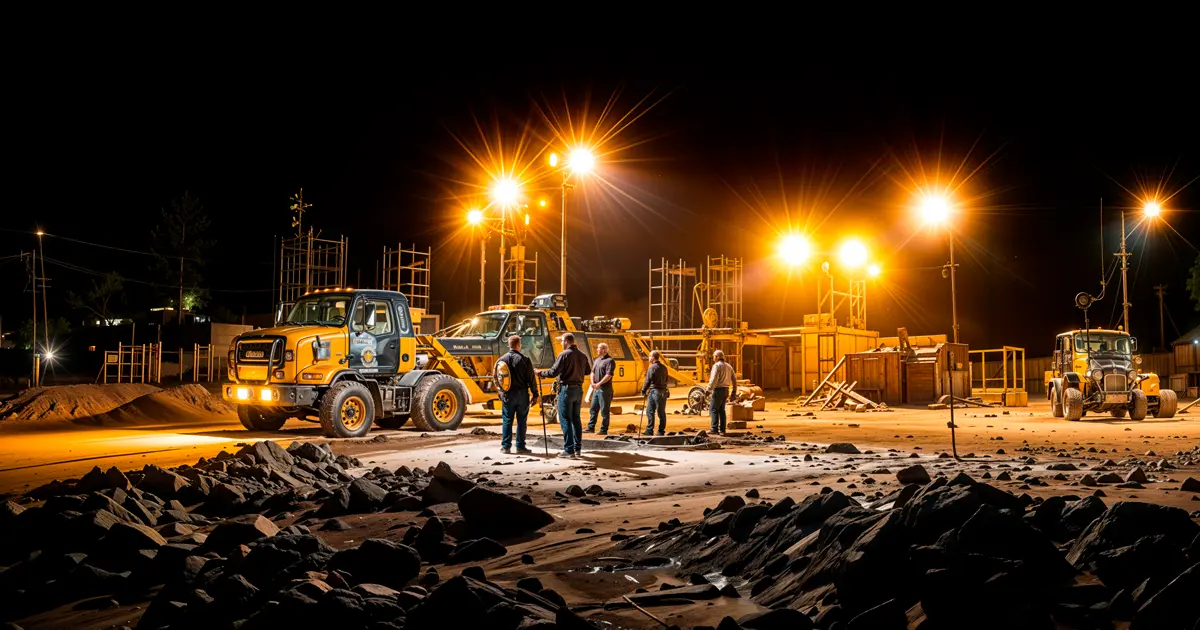
Mining Civil Engineering Across the Project Lifecycle
Feasibility Studies: Building the Right Foundation
During feasibility, civil engineers evaluate topography, geotechnical data, water flow patterns, and access constraints. This stage determines whether a proposed site layout is technically and economically viable.
Accurate earthworks estimation, site access planning, and drainage modeling during feasibility significantly improve cost accuracy and investment confidence.
Front-End Engineering Design (FEED): Improving Cost Certainty
In the FEED phase, mining civil engineering becomes more detailed. Engineers refine site grading plans, road alignments, drainage systems, and foundation requirements. This reduces uncertainty before major capital commitments are made.
Strong civil engineering input during FEED supports:
- Improved cost forecasting
- Constructability validation
- Risk identification
- Regulatory submissions
Projects that invest in robust FEED civil design typically experience fewer surprises during construction.
Detailed Design: Coordinated, Constructible Solutions
Detailed civil design transforms concepts into construction-ready drawings and specifications. At this stage, coordination with structural, mechanical, and environmental disciplines becomes critical.
Integrated engineering ensures that:
- Site layout supports process flow
- Drainage systems align with structural foundations
- Utility corridors are constructible
- Construction sequencing is practical
Poor coordination at this stage often leads to rework and delays. Integrated mining civil engineering prevents these issues.
Construction Support and Field Engineering
Mining projects rarely proceed exactly as planned. Unexpected soil conditions, weather impacts, and logistical challenges require responsive engineering support during construction.
Ongoing civil engineering involvement ensures:
- Rapid resolution of field issues
- Design clarifications
- Controlled change management
- Protection of cost and schedule performance
Field-informed civil engineering improves adaptability and execution efficiency.
Real-World Civil Engineering Challenges in Canadian Mining
Mining sites across Canada often present unique challenges:
Remote Locations
Limited access and logistical constraints require careful planning of site roads and staging areas.
Harsh Climate Conditions
Freeze-thaw cycles, heavy precipitation, and seasonal changes demand robust drainage and foundation strategies.
Environmental Sensitivity
Tailings storage facilities and water management systems must meet strict regulatory standards.
Long-Term Operational Performance
Civil infrastructure must remain reliable over decades of operation.
Each of these factors reinforces the importance of specialized mining civil engineering expertise.
Tailings and Water Management: Precision Is Essential
Tailings and water management systems are among the most critical civil components of mining operations. Their design must balance:
- Environmental protection
- Structural stability
- Long-term monitoring requirements
- Regulatory compliance
Inadequate planning in this area can create operational, environmental, and reputational risks. Proper civil engineering ensures these systems are stable, compliant, and durable.
How Integrated Mining Civil Engineering Reduces Risk
Fragmented engineering increases the likelihood of misaligned assumptions and late-stage conflicts. Integrated civil engineering aligns:
- Site development with process design
- Structural loads with foundation planning
- Environmental systems with grading strategies
- Construction sequencing with design intent
By integrating civil expertise with multi-discipline coordination, mining projects achieve better cost control and schedule reliability.
Experience Matters in Mining Civil Engineering
Mining projects demand practical, execution-focused engineering. Experienced mining civil engineers understand:
- Canadian regulatory frameworks
- Geotechnical variability
- Remote construction logistics
- Environmental permitting requirements
- High-capital risk exposure
Experience-driven engineering improves decision-making, reduces uncertainty, and supports confident project advancement.
Mining Civil Engineering Services at Axispoint
Axispoint provides Mining Civil Engineering services as part of its integrated expertise in mining, infrastructure, and energy projects across Canada.
Services include:
- Feasibility Studies
- Front-End Engineering Design (FEED)
- Detailed Civil Design
- Construction Support
- Integrated Project Management
Axispoint’s approach emphasizes multi-discipline coordination, early risk identification, and execution-focused design. By aligning civil engineering with overall project strategy, Axispoint supports predictable, buildable, and resilient mining developments.
Why Choose Axispoint for Mining Civil Engineering in Canada?
Axispoint delivers:
- Integrated engineering across project phases
- Strong understanding of Canadian mining environments
- Execution-oriented design strategies
- Risk-aware decision-making
- Alignment between engineering and construction
Mining projects require more than technical calculations. They require coordinated engineering grounded in practical execution.
Civil Engineering as the Foundation of Mining Success
Mining operations depend on reliable infrastructure. From haul roads and drainage systems to tailings facilities and site grading, civil engineering defines the structural backbone of the project.
For mining projects in Canada, engaging experienced mining civil engineering professionals early can significantly improve cost certainty, regulatory alignment, and construction performance.
If you are advancing a mining project, is your civil engineering strategy fully aligned with long-term operational success?
FAQ
What is Mining Civil Engineering and why is it important?
Mining Civil Engineering involves the planning, design, and support of civil infrastructure required for mining operations. This includes site grading, haul roads, drainage systems, tailings storage facilities, foundations, and water management systems.
It is critical because mining projects operate in challenging environments, often remote, environmentally sensitive, and heavily regulated. Without proper civil engineering, projects can face delays, safety risks, regulatory penalties, or costly redesigns.
What civil engineering services are required for mining projects in Canada?
Mining projects in Canada typically require:
- Feasibility-level civil studies
- Detailed site development design
- Stormwater and drainage systems
- Tailings storage facility support
- Earthworks planning and grading
- Access road and infrastructure design
- Construction-phase engineering support
Each province has its own regulatory framework, so engineering solutions must align with local environmental, safety, and permitting requirements.
How does water management impact mining operations?
Water management is one of the most critical components of Mining Civil Engineering. Poor drainage design can lead to flooding, erosion, contamination, or regulatory non-compliance.
Engineers design diversion channels, retention ponds, culverts, and sediment control systems to safely manage runoff and groundwater throughout the life of the mine. In Canada’s climate,where snowmelt and heavy rainfall are common, proper water control is essential for both operational stability and environmental protection.
What role does civil engineering play in tailings storage facilities?
Civil engineers support tailings storage facilities by ensuring structural stability, proper containment, drainage control, and long-term environmental safety.
This includes:
- Site grading and embankment design
- Erosion protection systems
- Geotechnical coordination
- Stability assessments
- Long-term monitoring infrastructure
Given Canada’s strict safety regulations, proper design and documentation are essential to reduce risk and maintain compliance.
What challenges are unique to mining projects in Canadian cities and remote regions?
Mining projects in Canada often face:
- Harsh weather conditions
- Freeze-thaw cycles
- Remote logistics and limited access
- Strict environmental regulations
- Indigenous consultation requirements
Mining Civil Engineering must account for these realities by creating durable, constructible, and compliant infrastructure solutions that perform long-term.
How can experienced project support reduce risk in mining developments?
Experienced engineering teams help identify potential issues early, during feasibility and planning phases, before they become expensive construction problems.
Strong project support ensures:
- Accurate design documentation
- Coordinated multidisciplinary engineering
- Regulatory compliance
- Construction-ready drawings
- Reduced delays and cost overruns
In mining projects, proactive engineering planning can significantly improve both financial and operational outcomes.




good article, thanks